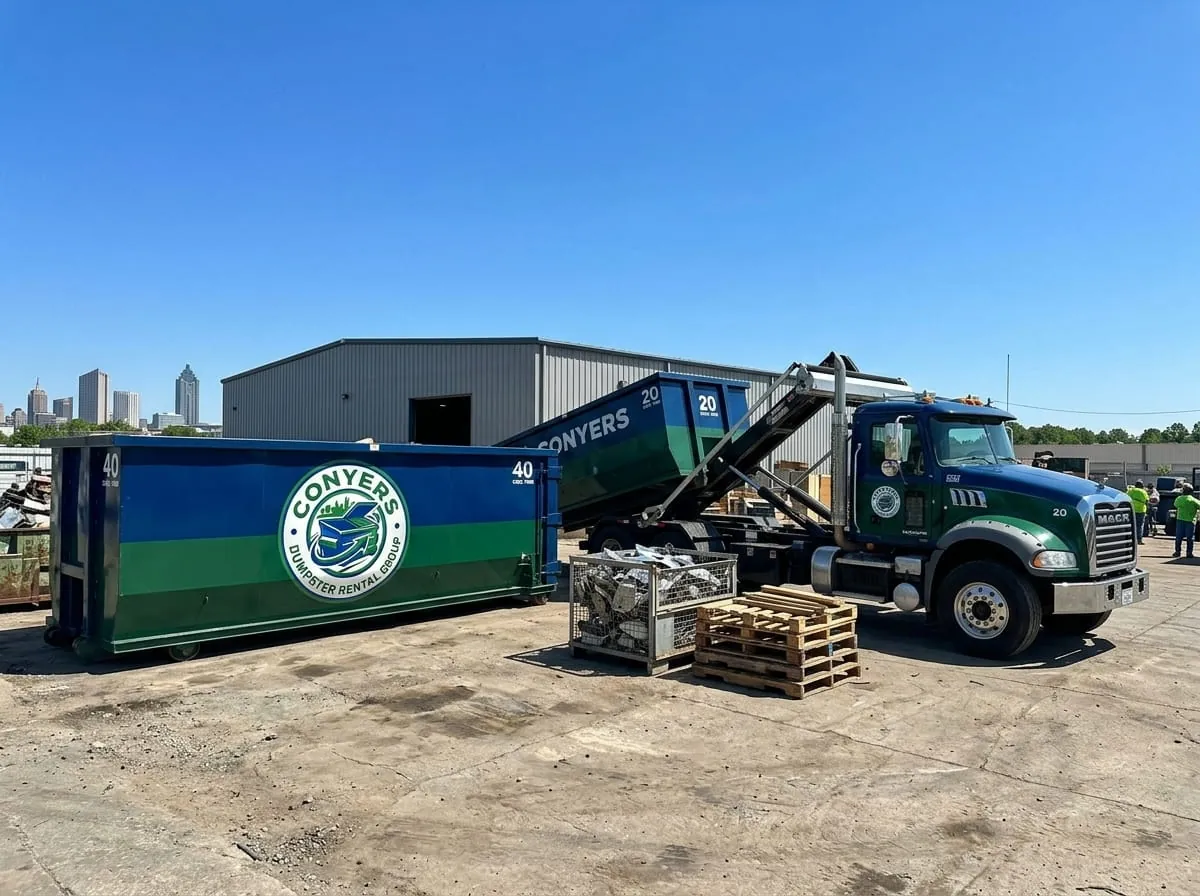
On a fast-moving job site in Conyers, debris disposal is rarely the part of the schedule anyone plans for, yet it is where budgets quietly bleed. Rockdale County sits in one of metro Atlanta's fastest-growing exurban corridors, and the mix of brick-and-frame new construction, kitchen and bath remodels, roof tear-offs, and red-clay lot grading throws off a specific cocktail of construction and demolition (C&D) waste. Handle it right and your container costs stay flat, your crew stays productive, and you never see a surprise overage or a rejected load. Handle it wrong and you pay twice: once in tonnage fees and again in wasted labor moving material that never should have gone in the box. This guide walks through how to actually dispose of construction debris the way experienced Conyers contractors do it.
Know Your C&D Waste Streams Before the First Load
Construction and demolition debris is not one material, it is a family of materials that behave very differently in a roll-off container. Understanding what you are throwing away is the first step to disposing of it efficiently and legally. On a typical Rockdale County residential or light-commercial project you will generate:
- Drywall (gypsum board): Light, bulky, and moisture-sensitive. It fills volume fast but adds almost no weight. Wet drywall becomes a compacted, heavy mess, so keep it dry and load it flat.
- Dimensional lumber and framing scrap: Clean, untreated wood is one of the most recyclable and reusable streams. Pressure-treated and painted lumber is handled differently because of the chemicals involved.
- Concrete, block, and brick: Heavy inert material. A single yard of concrete can weigh over 4,000 pounds. This is the number-one cause of blown weight limits in the Atlanta market.
- Roofing (shingles and tear-off): Asphalt shingles are dense and heavy. A typical residential tear-off can produce two to four tons of material from a single roof.
- Siding: Vinyl, fiber-cement (Hardie), and wood siding each recycle or dispose differently. Fiber-cement is heavy and dusty; vinyl is light but not always accepted in commingled recycling.
- Red-clay dirt and grading spoils: Georgia's signature red clay is dense, holds water, and is treated as clean fill or inert debris, not general C&D. It needs its own plan.
The single most important mental habit is separating what is heavy and inert from what is bulky and light. That one distinction drives every disposal decision that follows.
Separate Heavy Inert Debris From Everything Else
Roll-off containers are priced and permitted around two constraints at the same time: volume (the cubic yards the box holds) and weight (the tonnage the hauler and the landfill will accept). Mixing heavy inert material like concrete, brick, and red-clay dirt into a general C&D box is the classic Conyers rookie mistake. You will fill only a fraction of the container by volume but hit the weight ceiling long before the box looks full, and you pay overage fees on material that could have gone in a cheaper, dedicated setup.
Here is the rule seasoned crews live by: concrete, brick, block, asphalt, rock, and dirt get their own bin. These materials are so dense that haulers offer dedicated heavy-debris containers, usually a smaller 10 or 12-yard box, specifically because a full-size 30-yard container loaded with concrete would be too heavy to legally transport on Georgia roads. Keeping them separate also means the inert material can be routed straight to a recycling or crushing facility instead of a general landfill, which is both cheaper and better for your diversion numbers. If your project has any meaningful volume of masonry or grading spoils, order a dedicated concrete and heavy-debris container from day one rather than trying to sneak it into the mixed box.
Why Weight Limits Matter More Than You Think
Every roll-off rental in the Conyers area comes with a tonnage allowance baked into the flat rate, typically two to four tons depending on container size. Go over and you pay a per-ton overage, and those charges add up fast on debris-heavy jobs. The math is unforgiving with the materials Rockdale County generates:
- One cubic yard of broken concrete: roughly 2 to 2.5 tons.
- One cubic yard of wet red-clay dirt: roughly 1.5 tons or more.
- A single square of asphalt shingle tear-off: 250 to 400 pounds.
This is exactly why concrete and red-clay dirt need dedicated bins. If you load half of a 20-yard container with concrete, you have already exceeded the weight limit of most standard rentals while the box is only a quarter full by volume. You are paying for 20 yards of capacity and using five. Choosing the right container is a weight decision as much as a size decision. For mixed light debris like framing, drywall, and siding, a 20-yard dumpster gives you room to spread out, while larger tear-outs and whole-house remodels often justify a 30-yard dumpster. Just remember: bigger boxes are for bulk, not for weight. Never fill a 30 with masonry.
What Actually Recycles in Metro Atlanta
Diversion is not just a LEED talking point anymore; in the Atlanta market it is often the cheaper path. Recycling facilities frequently charge lower tip fees than landfills for clean, sorted streams, and several C&D materials have strong regional recycling markets:
- Concrete, brick, and block: Crushed and reused as road base and aggregate. This is one of the strongest recycling markets in Georgia, which is another reason to keep it separated.
- Clean wood: Ground into mulch, boiler fuel, or engineered-wood feedstock. Must be free of treated lumber, paint, and hardware to qualify.
- Metal: Rebar, flashing, ductwork, wiring, and framing connectors have real scrap value. Pull metal before it goes in the box.
- Cardboard: Packaging from appliances, fixtures, and materials is easily recycled and keeps volume out of your C&D box.
- Asphalt shingles: Recyclable in some metro Atlanta facilities and reground into pavement, though acceptance varies, so confirm with your hauler.
Drywall recycling exists but is limited and picky about contamination, and mixed-material debris generally cannot be recycled at all once it is commingled. The lesson is the same one that runs through this entire guide: value is created at the point of separation. Once materials mix in the box, they almost all become landfill.
Job-Site Container Logistics That Keep Crews Moving
Disposal efficiency is won or lost in how you stage containers, not just which ones you order. A few field-tested practices for Conyers job sites:
- Place boxes for the workflow, not the driveway. Put the container where debris naturally travels, close to the tear-out or the framing floor, so your crew is not carrying material across the site.
- Protect the surface. Roll-offs are heavy and Georgia's freeze-thaw and rain cycles soften driveways. Plywood or planks under the wheels prevent cracking a homeowner's new concrete.
- Load evenly and low. Distribute weight across the floor of the box and never load above the top rail. Overloaded or heaped containers cannot be legally hauled and will be refused or dumped on site.
- Swap on schedule, not on crisis. On active demo or roofing days, arrange for a swap-out before the box is full so the crew never stops working. A quick call to schedule the exchange keeps momentum.
- Right-size the order. Match container count and type to your waste streams: one mixed C&D box plus one dedicated heavy-debris bin is the standard setup for brick-and-frame Conyers builds.
A clean roll-off rental setup and, on teardown-heavy jobs, a demolition debris removal plan keep the schedule intact. If you are unsure how to stage a multi-container job, our team can walk the phases with you before you break ground. Reach out through our contact page or explore the full range of disposal services we run across Rockdale County.
Diversion and LEED Basics for Conyers Builders
If you are chasing LEED certification or simply need to document waste diversion for a commercial client, the framework is straightforward. LEED awards points for diverting C&D debris from landfill, typically requiring you to divert a target percentage (often 50 to 75 percent) by weight and to document it. The path to those points is the sorting discipline you are already building:
- Separate streams at the source so recyclers accept clean loads.
- Keep weight-based tickets and recycling receipts from every facility. Diversion is measured by weight, so the tonnage records from your hauler are your evidence.
- Prioritize the heavy hitters. Because concrete and masonry are so heavy, diverting them alone can carry most of your diversion percentage.
Even on residential jobs with no LEED requirement, tracking diversion is smart business: it demonstrates cost control, supports green-building marketing, and keeps you ahead of tightening regulations.
Staying Compliant With Georgia EPD Rules
The Georgia Environmental Protection Division (EPD) regulates how C&D waste is handled, transported, and disposed. A few compliance essentials every Conyers and Rockdale County contractor should keep in mind:
- Use permitted facilities. C&D debris must go to a properly permitted C&D landfill, inert landfill, or recycling facility. Reputable haulers handle this routing for you, which is a major reason to rent rather than self-haul.
- Never mix hazardous or prohibited items. Paint, solvents, asbestos, treated wood in some cases, tires, appliances with refrigerants, and electronics do not belong in a standard C&D box. These carry separate handling requirements.
- Inert debris has its own category. Clean concrete, brick, and red-clay dirt qualify as inert and can often go to inert landfills or fill sites at lower cost, but only when they are genuinely clean and separated.
- No illegal dumping or burning. Georgia enforces against open dumping and unpermitted burning of construction debris. The penalties dwarf the cost of a properly ordered container.
- Keep your paper trail. Disposal tickets protect you if a load's origin or contents are ever questioned.
The practical takeaway is that compliance and cost-efficiency point in the same direction. Sorting your debris, keeping heavy inert material separate, and using a licensed hauler that routes each stream to a permitted facility is simultaneously the cheapest, cleanest, and most legally sound way to work. A dedicated construction dumpster rental from a hauler who knows Rockdale County keeps all of that handled without adding steps to your day.
Putting It All Together on Your Next Conyers Job
Disposing of construction debris well comes down to a handful of habits: identify your waste streams before demolition starts, separate heavy inert material from bulky light material, order the right container type for each stream, respect weight limits, recycle what the Atlanta market will take, and keep clean documentation. For a straightforward remodel, that might mean a single mixed C&D box. For a brick-and-frame new build with grading spoils, it means a mixed container plus a dedicated heavy-debris bin, and possibly a separate plan for red-clay dirt. When you match the equipment to the material, disposal stops being a budget risk and becomes a predictable line item. If you want help sizing the job or want to review what is and is not allowed before you load, take a look at our guide on what can go in a dumpster or call our Conyers team directly.
Ready to line up the right containers for your project? Call Conyers Dumpster Rental Group at (470) 276-5696 for same-week delivery across Conyers and Rockdale County.
Founder, Conyers Dumpster Rental Group — sharing straight advice from more than 15 years of local hauling experience.
Frequently Asked Questions
Can I put concrete and dirt in the same dumpster as my other construction debris?
You shouldn't, and often you can't. Concrete, brick, and red-clay dirt are extremely heavy inert materials, and mixing them into a general C&D box will blow past your weight limit long before the container looks full, triggering overage fees. Heavy inert debris belongs in a dedicated heavy-debris bin, which is usually a smaller box priced for weight, and keeping it separate also lets that material be recycled into aggregate instead of landfilled.
What size dumpster do I need for construction debris in Conyers?
It depends on whether your debris is bulky or heavy. For light, high-volume material like framing lumber, drywall, and siding, a 20-yard dumpster suits most remodels and a 30-yard handles whole-house or large jobs. For concrete, brick, and dirt, you want a smaller dedicated heavy-debris container because weight, not volume, is the limiting factor. Many Conyers jobs use one mixed box plus one heavy-debris bin. Call (470) 276-5696 and we'll size it to your material mix.
What construction materials can be recycled in metro Atlanta?
The strongest recycling markets in the Atlanta area are concrete, brick, and block (crushed into road base and aggregate), clean untreated wood, scrap metal like rebar and flashing, and cardboard packaging. Asphalt shingles are recyclable at some facilities. The catch is that materials only recycle when they're separated at the source; once debris is commingled in one box, almost all of it becomes landfill. Sorting is where the value and the diversion credit are created.
Do I need a permit to dispose of construction debris in Rockdale County?
You don't typically need a personal disposal permit when you rent a roll-off from a licensed hauler, because the hauler routes the material to properly permitted C&D, inert, or recycling facilities under Georgia EPD rules. You may need a right-of-way or placement permit if the container sits on a public street rather than private property. What you must never do is illegally dump or burn debris, which Georgia EPD actively enforces. We handle the permitted-facility routing for you.
How can I document waste diversion for a LEED or green-building project?
Diversion is measured by weight, so the key is to separate your debris streams at the source and keep the weight-based disposal and recycling tickets from every facility. Those tonnage receipts are your evidence. Because concrete and masonry are so heavy, diverting them alone can carry most of your required diversion percentage. Ask your hauler for weighed tickets on each load and retain the recycling facility receipts, and you'll have the paper trail LEED requires.